The level of cultural participation in publicly funded arts and culture has been an ongoing cause for concern for policy makers and state agencies in the Republic of Ireland and the UK. This has resulted in efforts to tackle economic, social, psychological, and spatial barriers to broaden access – to cultural production and participation – as key policy goals. Our understanding of these barriers has prompted a number of development initiatives designed to increase levels of cultural participation. Yet research shows these initiatives have largely failed to diversify audiences and broaden the profile of cultural producers and makers.
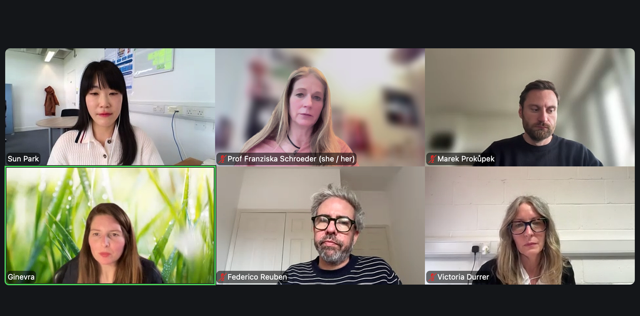
Cultural Policy Observatory Ireland and Queen’s University Belfast were delighted to host Abigail Gilmore (University of Manchester), Leila Jancovich (University of Leeds) and David Stevenson (Queen Margaret University, Edinburgh) to lead us in a discussion exploring the assumptions, problems and capacity issues underlying how we define and value cultural participation in both policy and practice. The event took place at Brian Friel Theatre / Queen’s Film Theatre, Queen’s University Belfast on 23 October 2017.
Presentations are available here.
The cultural participant versus the cultural non-participant: defining desirable models of agency
Dr. David Stevenson
The Participation Myth
Dr. Leila Jancovich
Due to technical difficulties we were unable to record Leila Jancovich’s presentation.
Understanding cultural value in the everyday localities: museums and parks as the commons
Dr. Abigail Gilmore